


Choosing the best smart home system is essential for creating a seamless, secure, and efficient living environment. There are various types, including comprehensive security hubs and specialized entertainment or energy management systems, and the smart home system deliver convenience, safety, and energy savings.
A properly fitted smart home system in 2026 enhances daily life through automation and connectivity. Designed to match modern home networks and user habits, top-rated systems offer robust app control, voice assistant compatibility, and reliable performance.
This guide highlights the best smart home system to help you choose the right option for your specific home size, budget, and automation goals.
10 best smart home system
“Before you buy, carefully consider your primary goal, whether it's security, entertainment, or whole-home automation. If you need robust protection with professional monitoring, a comprehensive security system like the Ring Alarm is your best bet. If achieving immersive home theater audio is your top concern, invest in a premium soundbar system with surround sound features like Dolby Atmos. Always double-check the product listing for your specific home square footage and confirm compatibility with your existing smart home ecosystem, like Alexa or Google Assistant, to avoid integration problems.”
best smart home system Comparison Table
| Model | System Type | Kit Contents | Professional Monitoring | Connectivity |
|---|---|---|---|---|
| Ring smart home system | Wireless, DIY Smart Security System | Base Station, Keypad, 10 Contact Sensors, 2 Motion Detectors, Range Extender | Optional 24/7 service (subscription required) | Wi-Fi and Cellular Backup (with monitoring plan) |
| ULTIMEA smart home system | – | – | – | Optical, AUX (3.5mm), Bluetooth 5.3 |
| tolviviov smart home system | Wireless DIY Security | 1 Alarm Hub/Siren, 4 Door/Window Sensors, 3 Remote Controls | – | 2.4GHz WiFi |
| ULTIMEA smart home system | – | – | – | – |
| EMPORIA smart home system | – | – | – | Wi-Fi (2.4 GHz) with cloud-based data access |
| tolviviov smart home system | DIY Wireless Alarm System with Hub | – | – | Wi-Fi (2.4GHz), Works with Alexa for Voice Control |
| Emerson smart home system | – | – | – | Dual-band Wi-Fi (2.4 & 5 GHz) |
| Product 8 | – | – | – | – |
| TP | – | – | – | – |
| PGST smart home system | Wireless, Wi-Fi Connected Alarm System | – | Self-monitored only; no subscription service | 2.4GHz Wi-Fi, Works with Alexa for Voice Control |
1. Ring smart home system – Affordable Pick

For anyone looking to secure their home or small business without complex wiring or a hefty upfront cost, the Ring Alarm 14-P a compelling entry point. This newest on the brand's reputation for user-friendly, DIY security, offering a comprehensive wireless system that you can monitor and control entirely from your smartphone. It’s designed for the modern user who values simplicity, scalability, and seamless integration with other smart home devices, providing peace of mind with a surprisingly approachable setup process.
What truly makes this system stand out is its exceptional value proposition within the smart security ecosystem. It delivers the core components needed to protect key entry points and interior spaces, backed by the optional (but highly recommended) 24/7 professional monitoring service at a competitive monthly rate. The ability to start with this robust kit and effortlessly more sensors, cameras, or smart lights over time means your security can grow alongside your needs, all managed through the intuitive Ring app.
Key Specifications
| Feature | Details |
|---|---|
| System Type | Wireless, DIY Smart Security System |
| Kit Contents | Base Station, Keypad, 10 Contact Sensors, 2 Motion Detectors, Range Extender |
| Professional Monitoring | Optional 24/7 service (subscription required) |
| Connectivity | Wi-Fi and Cellular Backup (with monitoring plan) |
| Smart Home Integration | Works with Alexa for voice control and routines |
| Power | Rechargeable battery backup in Base Station (24 hours) |
| Expansion | Compatible with entire of cameras and devices |
| App Control | iOS and Android via Ring app |
Core Security & Sensor Performance
The foundation of any security system is its reliability in detecting intrusions, and this Ring kit excels with its suite of wireless sensors. The ten included contact sensors are slim, unobtrusive, and easily install on doors and windows with adhesive strips or screws. In testing, they provided instant, consistent alerts to the app the moment a protected entry point was opened while the system was armed. The two motion detectors usePIR) technology and feature pet-immunity, accurately distinguishing between a wandering cat and a human intruder, which is crucial for avoiding false alarms.
The system's responsiveness is bolstered by the Z-Wave powered Range Extender, which ensures strong communication between sensors and the Base Station even in larger homes. The sensors themselves have impressive battery life, often lasting several years before needing a replacement, which minimizes maintenance hassle. For a first-time security buyer, this kit provides ample coverage for a standard apartment or small house, focusing on the most common points of entry.
Key highlights:
– Ten contact sensors cover multiple doors and primary windows.
– Pet-immune motion detectors reduce false alerts in homes with animals.
– Long-lasting battery life in sensors means less frequent maintenance.
Setup, App Experience, and Control
Ring has built its brand on DIY simplicity, and this alarm kit is arguably the pinnacle of that philosophy. The unboxing to armed system process can be completed in under an hour for most users. The Ring app provides clear, step-by-step instructions for adding each device, and the physical installation requires no tools if you use the included adhesive strips. The central Base Station connects to your home Wi-Fi and features a built-in siren, while the keypad offers a familiar touchpoint for arming and disarming the system with a code.
Once set up, the Ring app becomes your command center. It offers a clean, intuitive interface for arming the system in Home, Away, or Disarmed modes, viewing the status of all sensors, and reviewing a timeline of all system events. You can manage users, granting unique access codes to family members or guests. The real-time alerts are immediate and informative, telling you exactly which sensor was triggered. For those who opt for professional monitoring, the app also provides status updates if the monitoring center is alerted and dispatches authorities.
Professional Cellular Backup
While the self-monitoring via app alerts is valuable, the system’s true security potential is unlocked with a Ring Protect Pro subscription. This plan adds 24/7 professional monitoring, where trained agents will call you and your emergency contacts upon an alarm, and dispatch police, fire, or medical services if needed. This service is remarkably affordable compared to traditional security contracts, offering a professional safety net without long-term commitments or steep monthly fees.
A critical benefit of this subscription is the inclusion of cellular backup. If your home Wi-Fi goes down or is intentionally cut, the Base Station automatically switches to a built-in cellular connection to keep the system online and maintain contact with the monitoring center. This feature is essential for a reliable security system, as it ensures your home remains protected even during internet outages. The peace of mind this combination provides—constant professional oversight and network redundancy—is a major differentiator at this price point.
Smart Home Integration and Expandability
This Ring Alarm system doesn't exist in a vacuum; it's designed to be the hub of a broader smart home. Its native integration with Alexa is seamless. You can use voice commands to arm the system in "Away" or "Home" mode, check if doors are closed, or even trigger Alexa Guard routines when the alarm is armed. Furthermore, you can create custom routines where arming the system automatically turns off smart lights or locks smart doors, creating a cohesive security ecosystem.
The expandability is a core strength. The 14-piece kit is just the beginning. You can easily add more Ring Contact Sensors, Motion Detectors, Panic Buttons, or even integrate Ring Video Doorbells and Security Cameras directly into the alarm system. This means a single, unified app can manage your video surveillance and intrusion detection, with the ability to have cameras automatically start recording when an alarm is triggered. This scalability makes it a future-proof investment for growing smart home needs.
Design, Build Quality, and Everyday Use
Aesthetically, Ring has chosen a minimalist, modern design that blends home decors. The Base Station is a compact white square with a subtle blue light ring, the keypad is sleek and wall-mountable, and the sensors are small and discreet. The build quality feels solid and durable, not cheap or flimsy, which is important for devices meant to provide long-term protection. The keypad features a responsive touchscreen and clear audio feedback, making it easy for all family members to operate.
In use, the system is designed to be unobtrusive yet always present. The entry and exit delays are configurable, giving you enough time to come and go without triggering a false alarm. The system's performance is consistent, with reliable alerts and stable connections. The optional professional monitoring service works silently in the background, providing an. For a homeowner or renter, it strikes an excellent balance between robust protection and simple, quiet daily operation.
Reasons to Buy
- Exceptional value for a comprehensive, expandable DIY security starter kit.
- Incredibly simple, tool-free setup process managed through an intuitive mobile app.
- Affordable optional 24/7 professional monitoring with crucial cellular backup.
- Seamless integration with Alexa and the entire Ring ecosystem for whole-home automation.
2. ULTIMEA smart home system – Best Value

re looking to dramatically smart TV's-in speakers without the complexity and cost of a traditional wired surround sound setup, the ULTIMEA Aura A40 is a compelling contender. This all-in-one audio system bundles a soundbar, a wireless subwoofer, and four compact surround speakers to create a surprisingly expansive 7.1-channel virtual soundstage. It's designed for movie enthusiasts and casual streamers alike who crave cinematic immersion from their living room.
What makes the Aura A40 stand out in the crowded soundbar market is its commitment to a multi-speaker experience at a mid-range price. Instead of relying solely on the soundbar to bounce sound off your walls, it includes physical rear speakers you can place behind you, which is a game-changer for authentic surround effects. Combined with app-based controls and multiple connection options, it offers a significant audio upgrade that feels complete right out of the box.
Key Specifications
| Feature | Details |
|---|---|
| Audio Configuration | 7.1 Channel Virtual Surround Sound |
| Total Peak Power | 330 Watts |
| Components | Soundbar, Wireless Subwoofer, 4 x Surround Speakers |
| Connectivity | Optical, AUX (3.5mm), Bluetooth 5.3 |
| Control Methods | Remote Control, Dedicated Smartphone App |
| Subwoofer Driver | 6.5-inch Down-Firing |
| Sound Modes | Movie, Music, News, 3D |
Immersive Surround Sound Performance
The core promise of the ULTIMEA Aura A40 is a cinematic, room-filling audio experience, and it delivers impressively on this front. The 7.1-channel virtual surround technology, powered by the combination of the central soundbar and the four separate surround speakers, creates a convincing sense of width and depth. In action movies, effects like rain, passing vehicles, or subtle ambient noises are distinctly positioned around the listener, pulling you into the scene. The system does a commendable job of upmixing standard stereo content to make use of all its speakers, making even regular TV shows sound more engaging.
While it's not a discrete, object-based system like Dolby Atmos, the virtualization is effective for its price class. The inclusion of physical rear speakers is the key differentiator, providing genuine directional sound from behind the listening position that soundbars with only side-firing drivers can't match. This setup benefits movie and series bingers the most, as it transforms a standard TV night into a more theatrical event without requiring complex calibration or professional installation.
Key highlights:
– Four dedicated surround speakers enable authentic rear-channel audio.
– Effective widens the soundstage beyond the physical bar.
– Multiple sound modes (Movie, Music) optimize audio for different content types.
Powerful Bass from the Wirelessofer
A robust low-end is crucial for impact, and the Aura A40’s included 6.5-inch wireless subwoofer handles this duty with authority. The down-firing design helps distribute bass evenly through the room, producing deep, resonant thumps for explosions and a satisfying rumble in musical scores. It’s powerful enough to make you feel the action generally remains controlled, avoiding the muddy, boomy character that plagues some budget systems. The wireless connection to the soundbar offers great flexibility in placement, allowing you to tuck it away in a corner for optimal bass response.
practical use, the subwoofer integrates well with the other speakers, providing a solid foundation without overwhelming dialogue or mid-range details. You can adjust the bass level directly via the remote or app to suit your room and content preference. For users upgrading from a TV's tiny speakers or a basic 0 soundbar, the addition of this dedicated subwoofer is a revelation, adding a whole new physical dimension to gaming, movies, and music.
Convenient App and Control Ecosystem
Beyond the included physical remote, the ULTIMEA A40 offers comprehensive control through its dedicated smartphone app. This app provides a level of customization that the remote alone cannot match, allowing you to fine-tune equalizer settings, adjust individual channel levels (like subwoofer and surround volume), and switch between sound modes with ease. The interface is straightforward, making it simple to tweak the audio profile to your exact liking, whether you want more dialogue for news or enhanced bass for a blockbuster.
This smart control extends's usability significantly. The ability to save custom EQ presets is a nice touch for households with different listener preferences. Furthermore, the Bluetooth 5.3 connectivity means you can quickly stream music from your phone or tablet soundbar with performance. The combination of traditional physical connections (Optical, AUX) and modern wireless control gives you multiple ways to integrate the system into your existing home entertainment setup.
Straightforward Setup and Placement
Setting up a multi-speaker system can be but ULTIMEA has streamlined the process for the Aura A40. The soundbar connects to your TV via the included optical cable (or AUX), and the subwoofer pairs wirelessly with the bar automatically upon powering on. The four surround speakers connect to each other with provided cables and then plug into a single power adapter, reducing cable clutter compared to systems where each speaker needs its own outlet. You can be up and running in well under 30 minutes.
Placement is forgiving, though performance requires some consideration. The compact size of the surround speakers makes them easy to position on shelves or stands behind your seating area. The soundbar itself is low-profile, designed to sit neatly in front of most TVs without blocking the infrared sensor or screen. This user-friendly approach makes the system accessible to those who want immersive sound but are not audio technicians, removing a major barrier to entry for true surround sound.
Versatile Connectivity Options
The Aura A40 provides a solid range options to connect to various devices in a modern home. The optical input is the primary method for connecting to most smart TVs, delivering high-quality digital audio. The 3.5mm AUX input serves as a reliable analog backup or a way to connect older devices like CD players. Bluetooth 5.3 is the highlight for wireless streaming, offering a stable connection for music, podcasts, or audio from apps on your mobile devices with latency.
This versatility ensures the system won't become obsolete quickly and can function as the central audio hub for your entertainment center. While it lacks an HDMI ARC/eARC port, which is becoming standard on higher-end soundbars for simpler control and higher-quality audio formats, the provided optical connection is perfectly capable for the vast users at this price point. The blend of wired and wireless options covers all the essential bases for a, user-centric audio setup.
Reasons to Buy
- Delivers a genuine multi-speaker surround experience with four included rear satellites, offering superior immersion over soundbar-only virtual systems.
- Exceptional value, providing a complete 7.1-channel system with a wireless subwoofer at a mid-range price point.
- Dedicated smartphone app allows for deep audio customization and easy control beyond the basic remote.
- Simple, mostly wireless setup makes it approachable for users who want immersive sound without complex installation.
- Powerful, room-filling output with 330W of peak power brings impact to movies, games, and music.
Reasons to Avoid
- Lacks HDMI ARC/eARC connectivity, which means slightly less convenient TV control and no support for advanced audio codecs like Dolby TrueHD.
- The surround speakers are not wireless; they require a wired connection to each other and a shared power outlet, which can flexibility.
3. tolviviov smart home system – Premium Choice

For renters, apartment dwellers, or homeowners seeking a simple, non-invasive security solution without long-term contracts, the tolviviov WiFi Door Alarm System presents a compelling option. This wireless DIY kit strips home security down to the essentials: knowing when a door or window is opened and having the ability to scare off an intruder with a loud siren. It’s designed for those who want peace of mind through instant smartphone alerts and basic automation without the complexity or cost of professionally monitored systems.
What makes this system stand out is its straightforward approach and immediate functionality. You get a complete starter kit with multiple sensors and a central siren hub, all connecting via your home WiFi to a user-friendly app. It forgoes complex installation or monthly fees, focusing instead on core, reliable alerts and the flexibility to expand or integrate with voice assistants like Alexa for basic smart home routines.
Key Specifications
| Feature | Details |
|---|---|
| System Type | Wireless DIY Security |
| Kit Contents | 1 Alarm Hub/Siren, 4 Door/Window Sensors, 3 Remote Controls |
| Connectivity | 2.4GHz WiFi |
| Smart Integration | Works with Amazon Alexa |
| Power Source | Hub plugs into outlet, Sensors use CR2032 batteries |
| App Alerts | Real-time push notifications to smartphone |
| Siren Volume | Adjustable up to 110dB |
| Warranty | Not specified by manufacturer |
Core Security Monitoring & Instant Alerts
The fundamental purpose of any security system is reliable intrusion detection, and this is where the tolviviov system focuses its energy. Each of the four included sensors uses a simple magnetic contact switch to detect when a door or window is opened, immediately sending a signal to the central hub. The hub then triggers two simultaneous actions: a piercing siren (if armed) and a real-time push notification to your smartphone via the dedicated app. This instant dual-alert system means you're informed whether you're home or away, providing a crucial early warning.
In practice, the detection and alert speed is impressively fast, with notifications arriving on your phone within a second or two of the sensor being triggered. This responsiveness is critical for a security device. The system allows you to customize which sensors are active in different "modes" (Away, Home, Disarmed), giving you control. For instance, you can arm only your entry doors while sleeping, leaving interior motion sensors disarmed. The reliability of these core alerts forms the trustworthy backbone of the entire system.
Key highlights:
– Near-instant push notifications to your phone upon any sensor trigger.
– Ability to create armed modes (Away) for.
– The hub's loud, adjustable siren provides an immediate on-site deterrent.
Wireless DIY Installation & Setup
A major selling point for this system is its completely wireless and tool-free installation, making it ideal for renters or anyone hesitant to drill holes or run wires. The sensors attach to doors and windows with strong adhesive tape, while the hub simply plugs into a standard power outlet. The entire 8-piece kit can be operational in under 30 minutes. The setup process is guided through the mobile app, which walks you through connecting the hub to your home's 2.4GHz WiFi network and pairing each sensor and remote.
This ease of setup extends to placement flexibility. You can position the hub centrally for optimal siren coverage and sensor communication without worrying about wiring constraints. The wireless design also means the system is portable; if you move, you can easily peel off the sensors (though replacement adhesive is recommended) and reinstall everything in your new home. This plug-and-play approach removes the biggest barrier to entry for many people considering a basic security system.
Smartphone App Control & Management
The companion smartphone app serves as the command center for the tolviviov system. Through a clean and intuitive interface, you can arm or disarm the system, view the real-time status of every sensor, review a history log of all events, and adjust settings like siren volume and alarm duration. The ability to control your home's security from anywhere with an internet connection transforms a simple alarm kit into a modern smart home device.
Beyond basic controls, the app enables useful features like creating and managing multiple user accounts, so family members can also receive alerts and control the system. The event log is particularly valuable for checking if a notification was a true alarm or a false trigger (like a family member coming home unexpectedly). While the app lacks the polished sophistication of high-end subscription services, it reliably delivers all the essential functions needed for daily management and monitoring.
Alexa Integration & Basic Automation
For those invested in the Amazon Alexa ecosystem, this system offers valuable voice control and routine integration. Once linked via the Alexa skill, you can use voice commands to arm or disarm the system, check the status of sensors, or even use sensor triggers to initiate other smart home actions through Alexa Routines. For example, you could create a routine where opening your front door (triggering the sensor) automatically turns on your smart lights in the evening.
This integration elevates the system from a standalone alarm to a component of a broader smart home. It allows for hands-free operation, which is convenient when your hands are full, and enables basic but effective automations that enhance both security and convenience. It's important to note that this integration is for control and routines only; the system does not professionally monitor or call emergency services through Alexa.
Expandability & Kit Value
The included 8-piece kit offers immediate coverage for a small apartment or the key entry points of a house, providing strong initial value. The system is designed to be expandable, allowing you to add additional door/window sensors (sold separately) to cover more openings as needed. This scalability means your security can grow with your needs without requiring a completely new system, making it a cost-effective long-term choice.
The inclusion of three remote controls is a thoughtful touch that adds convenience for multiple household members. These remotes allow for quick arming/disarming without opening the app, perfect for when you're rushing out the door or entering with groceries. When evaluating the cost versus what's in the box—hub, four sensors, three remotes—the tolviviov kit presents a comprehensive starter package that covers the fundamentals of DIY security without immediate need for additional purchases.
Reasons to Buy
- Offers immediate, reliable intrusion alerts and a loud siren deterrent with zero monthly fees.
- Exceptionally easy, wire-free DIY installation perfect for renters and non-technical users.
- The smartphone app provides robust remote control, real-time status, and event history.
- Works with Amazon Alexa for convenient voice control and basic smart home automation.
- The starter kit includes a generous number of sensors and remotes for solid initial coverage.
Reasons to Avoid
- Lacks professional monitoring or direct emergency service dispatch, relying solely on self-response.
- Requires a stable 2.4GHz WiFi connection; the system is offline and non-functional during internet outages.
4. ULTIMEA smart home system – Budget Friendly

If you're looking to dramatically upgrade your TV's audio without the complexity and cost of a full component-based home theater system, the ULTIMEA Poseidon M60 is a compelling contender. This 2025 model soundbar package promises a true 5.1 surround sound experience, complete with Dolby Atmos decoding and a powerful wireless subwoofer, all at a price point that makes high-quality audio surprisingly accessible. It's designed for movie enthusiasts, gamers, and music listeners who crave immersive sound but prioritize a clean, simple setup.
What sets the Poseidon M60 apart in the crowded soundbar market is its combination of advanced audio processing features like VoiceMX and with a user-friendly control. While it won't replace a dedicated, high-end speaker setup, it offers a significant leap over built-in TV speakers and many basic soundbars, delivering cinematic scale and clarity that can transform your living room into an entertainment hub. The inclusion of modern Bluetooth 5.4 and multiple connection options ensures it plays nicely with all your devices.
Key Specifications
| Feature | Details |
|---|---|
| Audio Channels | 5.1 Channel (Soundbar + Wireless Subwoofer) |
| Total Power Output | 300 Watts RMS |
| Supported Audio Formats | Dolby Atmos, Dolby Digital, Dolby Digital Plus |
| Key Technologies | VoiceMX (Dialogue Enhancement), BassMX (Bass Optimization) |
| Wireless Connectivity | Bluetooth 5.4 |
| Physical Inputs | HDMI eARC/ARC, Optical, AUX |
| Control Method | Dedicated Smartphone App, Remote Control |
| Subwoofer Connection | Wireless |
Immersive Surround Sound and Dolby Atmos Performance
The core promise of the ULTIMEA Poseidon M60 is a genuine surround sound experience, and it delivers admirably for its form factor. The 5.1 channel configuration, powered by a total of 300 watts, creates a wide and engaging soundstage that effectively envelops the listener. When fed a Dolby Atmos or Dolby Digital signal via HDMI eARC, the system does a convincing job of projecting overhead and ambient effects, making action scenes feel more expansive and detailed. While it uses virtualized processing rather than physical up-firing speakers for Atmos, the effect is noticeable and adds a layer of immersion that flat soundbars lack.
This performance is particularly impressive given the system's budget-friendly positioning. Dialogue is generally anchored to the center channel for clarity, while the left and right channels handle music scores and directional effects. The wireless subwoofer is crucial here, handling the dedicated low-frequency effects (LFE) channel to ground the experience. It's a system that shines with streaming movies from services like Netflix and Disney+, and it provides a substantial upgrade for gaming, making in-game environments more tactile and engaging.
Key highlights:
– Effective virtualization of Dolby Atmos height effects for a more three-dimensional soundscape.
– Clear separation between the front channels and the rear effects simulated by the soundbar.
– Seamless integration of the wireless subwoofer for a cohesive 5.1 channel experience.
Wireless Subwoofer and Bass Management
A standalone soundbar, no matter how powerful, struggles to reproduce the deep, room-shaking bass that defines a cinematic experience. The inclusion of a dedicated wireless subwoofer with the Poseidon M60 solves this problem completely. The subwoofer connects automatically once powered on, eliminating the need to run a cable across your room. It delivers a potent low-end punch that you can feel, bringing weight to explosions, depth to musical tracks, and rumble to video game engines.
ULTIMEA's BassMX technology is designed to intelligently optimize this bass output. Instead of just making everything louder aims to enhance low based on the content, preventing the bass from becoming muddy or overwhelming dialogue. In practice, this means you get impactful bass during action sequences without it bleeding into and distorting quieter, dialogue-heavy scenes. The subwoofer's volume can also be adjusted independently via the remote or app, allowing you to fine-tune the bass level to suit your room size and personal preference perfectly.
Dialogue Clarity and Voice Enhancement
One of the most common frustrations with TV audio is struggling to hear dialogue over background music and sound effects. The ULTIMEA Poseidon M60 directly addresses this with its VoiceMX feature. This mode works by boosting the frequencies where human speech resides, making conversations and narration noticeably clearer and more distinct. When activated, it feels as if the actors are speaking directly to you, cutting through even complex audio mixes.
This feature is a significant quality-of-life improvement for everyday viewing. It's invaluable for watching shows with intricate plots, news broadcasts, or content where actors might mumble. You'll find yourself using it frequently, especially at lower volume levels or when watching late at night. While purists might prefer a completely flat audio response, the practical benefit for the average viewer is substantial, reducing the need to constantly reach for the remote to adjust volume during quiet and loud scenes.
Connectivity and Control Options
The Poseidon M60 offers a versatile set of connections that cater to modern and legacy devices. The HDMI eARC/ARC port is the star, allowing for a single-cable connection to your TV that carries the highest quality audio formats and enables control of the soundbar's volume via your TV remote. For older TVs, the optical digital input provides a reliable high-quality connection. The inclusion of Bluetooth 5.4 is a welcome upgrade, offering a more stable and energy-efficient connection for streaming music from phones or tablets.
Control is handled through both a physical remote and a dedicated smartphone app. The app provides a level of fine-tuning not always available on budget soundbars. You can adjust individual EQ settings, switch between sound modes (Movie, Music, News), control the subwoofer level, and update firmware. This app-based control future-proofs the system to some degree and offers a more intuitive interface for tech-savvy users than scrolling through on-screen menus.
Setup Process and User Experience
A major advantage of a soundbar system like this is its simplicity. The setup is remarkably straightforward: place the soundbar in front of your TV, plug it into power, connect a single HDMI cable to your TV's eARC/ARC port, and place the subwoofer anywhere in the room. The wireless link establishes automatically. Within minutes, you're ready to enjoy enhanced audio without dealing with a tangle of speaker wires and a complex AV receiver.
The overall user experience is polished for the price point. The soundbar itself has a sleek, low-profile design that fits well under most TVs without blocking the screen. The remote is intuitive, with dedicated buttons for the most-used functions like input selection, Bluetooth pairing, and the VoiceMX/BassMX toggles. While the build materials are naturally plastic to meet the cost target, the construction feels solid, and the fabric grille gives it a more premium look than bare plastic.
Reasons to Buy
- Delivers a true, immersive 5.1 surround sound experience with Dolby Atmos support at an accessible price.
- The powerful wireless subwoofer provides deep, room-filling bass that is essential for movies and music.
- VoiceMX technology dramatically improves dialogue clarity, solving a common audio annoyance.
- Versatile connectivity with HDMI eARC, optical, AUX, and modern Bluetooth 5.4 covers all bases.
- The dedicated smartphone app allows for detailed sound customization and easy control.
Reasons to Avoid
- The Dolby Atmos effect is virtually processed and may not match the precision of systems with physical upward-firing speakers.
- Soundstage width and instrument separation, while good, may not satisfy critical audiophiles used to high-end component systems.
5. EMPORIA smart home system – Top Performer

For homeowners looking to take control of their energy consumption and integrate smarter automation, the Emporia Vue 3 presents a compelling and surprisingly detailed window into your home's electrical soul. This isn't just a simple plug-in monitor; it's a comprehensive system designed to clamp onto your main electrical panel, providing real-time, circuit-by-circuit breakdowns of where every watt of power is going. It appeals directly to the energy-conscious, the solar-curious, and the tech-savvy who want data-driven insights to reduce bills and optimize home efficiency.
What truly sets the Emporia Vue 3 apart in the crowded smart home landscape is its granularity and value proposition. While many systems offer whole-home monitoring, the Vue 3 goes several steps further by allowing you to monitor up to 16 individual circuits (with the Gen 3 model), turning abstract kWh on a utility bill into actionable intelligence. Its robust app and support for solar/net metering make it a future-proof hub for understanding not just consumption, but also production, creating a holistic view of your home's energy ecosystem.
Key Specifications
| Feature | Details |
|---|---|
| Monitoring Capacity | Tracks whole-home usage plus up to 16 individual circuits |
| Connectivity | Wi-Fi (2.4 GHz) with cloud-based data access |
| Solar/Net Metering | Compatible with solar panel systems for production tracking |
| Safety Certification | UL Certified for safe installation and operation |
| Data Granularity | Real-time, daily, monthly, and yearly consumption data |
| Automation | IFTTT support for creating smart home routines based on energy use |
| App Support | Dedicated iOS and Android app with detailed reporting |
| Installation | Requires access to main electrical panel; professional installation recommended |
Granular Circuit-Level Monitoring
The cornerstone of the Emporia Vue 3's value is its ability to drill down into your home's energy use far beyond a simple total. By installing individual current sensors (CT clamps) on specific circuit breakers in your panel, the system identifies exactly which appliances or rooms are the biggest energy hogs. In real-world use, this means you can see the exact cost of running your HVAC system, pinpoint a faulty refrigerator that's cycling too often, or measure the vampire drain of your entertainment center. This level of detail transforms energy saving from guesswork into a targeted mission.
This granularity is particularly beneficial for homeowners with high electricity bills or those investigating specific concerns. For instance, you can confirm if that old freezer in the garage is still efficient or if your pool pump is costing more than expected. The system supports monitoring for up to 16 circuits, which is ample for most homes to cover major appliances, HVAC units, and key room circuits. The users who benefit most are minds who appreciate data, homeowners with solar systems wanting to match usage to production, and anyone serious about performing a true home energy audit.
Key highlights:
– Identifies energy-wasting appliances with precise, circuit-specific data.
– Enables targeted upgrades and behavior changes for maximum bill reduction.
– Provides peace of mind by monitoring the health and load of critical home systems.
Solar and Net Metering Integration
For the growing number of homes with solar panels, the Vue 3 evolves from a consumption monitor into a full energy management system. By adding optional CT sensors for your solar inverter's output, the device seamlessly integrates production data. The app then displays a clear balance between what your home is consuming from the grid and what it's sending back, calculating your net usage in real-time. This is invaluable for understanding the true return on investment of your solar installation and optimizing consumption habits to maximize self-consumption.
Performance-wise, this feature allows you to see if you're truly "banking" energy with the utility during peak production hours. On a sunny day, you can watch your home's net draw drop to zero or even go negative as you export power. This practical benefit helps in timing high-energy activities—like running the dishwasher or charging an EV—to coincide with peak solar production, thereby minimizing grid dependence and maximizing financial benefits from net metering policies.
User-Friendly App and Data Visualization
Raw data is useless without clear presentation, and Emporia's mobile app excels in making complex energy metrics understandable. The dashboard provides an immediate, color-coded snapshot of current whole-home and circuit-level usage, historical trends, and cost projections based on your utility rates. You can view data in real-time, by day, month, or year, and the app generates easy-to-share reports that break down usage by circuit or time period. This turns abstract kilowatt-hours into relatable charts and dollar figures.
In daily use, the app's notifications and alerts add a layer of proactive management. You can set usage thresholds for individual circuits or the whole home and receive alerts if they are exceeded, which can help catch malfunctions or unusual activity. The ability to input your exact utility rate plan, including tiered or time-of-use rates, makes the cost calculations highly personalized and accurate. This transforms the system from a passive monitor into an active tool for financial planning and household management.
Smart Home Automation Potential
Beyond monitoring, the Emporia Vue 3 acts as a trigger for a more intelligent, responsive home. Its integration with IFTTT (If This Then That) opens a world of automation possibilities based on energy consumption data. For example, you can create an applet that turns off smart plugs for non-essential devices when your whole-home power exceeds a certain threshold, or sends a notification to your family chat when the laundry cycle finishes (indicated by a drop in the washer/dryer circuit's power draw).
This feature moves the product from the realm of pure analytics into practical automation. While it doesn't have native integrations with major platforms like Google Home or Amazon Alexa for voice control of the monitor itself, the IFTTT bridge allows for creative solutions. Tech enthusiasts can use it to optimize energy usage dynamically, such as adjusting a smart thermostat based on real-time solar production or pausing an EV charger during a peak utility rate period, adding a layer of automated efficiency.
Installation and Safety Considerations
The power of the Vue 3 comes with the prerequisite of accessing your home's main electrical panel. Installation involves mounting the communication hub near the panel, clamping the main current sensors around the service entrance wires, and placing the individual circuit sensors. While Emporia provides clear guides and video tutorials, the process involves working inside a live electrical panel, which carries risk. For safety and peace of mind, hiring a qualified electrician for installation is highly recommended and is a justifiable added cost for most users.
Once installed, the system's UL Certification is a critical benefit, assuring that the device meets stringent safety standards for being connected to your home's electrical system. The hardware itself is robust and designed for long-term, set-and-forget operation. The practical consideration here is an upfront investment of time and potentially money for professional installation, which is balanced against years of detailed energy data and potential savings. The users who will navigate this most smoothly are those comfortable with basic home tech who are willing in professional help.
Reasons to Buy
- Provides unparalleled, circuit-by-circuit insight into home energy consumption, enabling precise cost-saving actions.
- Solar/net metering support offers a complete view for homeowners with or considering renewable energy.
- The intuitive and data-rich mobile app turns complex metrics into actionable, easy-to-understand reports.
- IFTTT integration unlocks smart home automation potential based on real-time energy usage.
- UL Certification ensures the device meets high safety standards for installation alongside your home's electrical system.
Reasons to Avoid
- Installation requires access to and work inside the main electrical panel, which can be intimidating and may necessitate hiring an electrician, adding to the total cost.
- Lacks native direct integration with major smart home platforms like Google Home or Amazon Alexa for voice control and dashboarding within those ecosystems.
6. tolviviov smart home system – Recommended

In the ever-evolving world of smart home security, finding a system that balances comprehensive protection with true user-friendliness and cost-effectiveness can be a challenge. The Tolviviov Home Alarm System (2nd Gen) steps into this space as a compelling DIY solution designed for homeowners, renters, and small business owners who want robust monitoring without the burden of long-term contracts or monthly fees. This 12-piece kit promises to deliver peace of mind through immediate phone alerts, a powerful built-in siren, and seamless integration with popular smart home platforms.
What truly sets this second-generation system apart is its commitment to a genuinely self-contained ecosystem. It eliminates the recurring cost hurdle that turns many away from professional monitoring, instead empowering users with direct, real-time notifications and control from their smartphones. The inclusion of multiple sensors, remotes, and Alexa compatibility right out of the box makes it a versatile and immediately functional security hub for a variety of living spaces, from apartments to larger houses.
Key Specifications
| Feature | Details |
|---|---|
| System Type | DIY Wireless Alarm System with Hub |
| Included Components | 1 Hub/Siren, 4 Door/Window Sensors, 2 Motion Sensors, 3 Keychain Remotes, 2 RFID Tags |
| Connectivity | Wi-Fi (2.4GHz), Works with Alexa for Voice Control |
| Monitoring | Self-Monitoring via Smartphone App with Push/Text Alerts; No Monthly Fees |
| Power | Hub plugs into AC outlet with battery backup; Sensors use CR123A batteries |
| Siren Volume | 110dB Built-in Siren on Hub |
| Supported Areas | House, Apartment, Office |
Comprehensive Self-Monitoring & Alerts
The core of the Tolviviov system is its powerful self-monitoring capability, which places you in direct control of your home's security. When a sensor is triggered—be it a door opening unexpectedly or motion detected in a restricted zone—the system sends an instant alert directly to your smartphone via push notification and SMS. This direct line of communication means you're informed of activity in real-time, allowing you to assess the situation, listen in via the hub's microphone if needed, and take immediate action, such as sounding the siren remotely or contacting authorities.
This approach is ideal for those who are tech-savvy and prefer hands-on management of their security. It bypasses the need for a third-party monitoring center, which is the source of most monthly fees. The system's reliability hinges on your Wi-Fi connection and smartphone availability, so it's best suited for users who are generally attentive to their phones. The app provides a clear log of all events, making it easy to review history and distinguish between routine entries and potential security events.
Key highlights:
– Real-time push notifications and SMS alerts sent directly to your phone.
– No reliance on or cost for a professional monitoring service.
– Full event history and system status accessible through the dedicated mobile app.
Expansive 12-Piece Kit & Easy DIY Setup
Out of the box, this kit is remarkably comprehensive for a mid-range system. It includes the central hub, four door/window sensors, two motion detectors, three keychain remotes, and two RFID tags. This assortment allows you to secure multiple primary entry points (like front and back doors) and high-traffic interior areas right away, covering the essentials for most apartments or small to medium-sized homes. The inclusion of multiple remotes and tags is a thoughtful touch, enabling convenient arming/disarming for several family members or employees without sharing a single device.
Setup is designed with the DIYer in mind. The process primarily involves placing the hub centrally, mounting sensors with adhesive tape or screws, and pairing each component through the intuitive app. The system uses wireless communication between sensors and the hub, eliminating the need for complex wiring. Most users can have the basic system up and running within an hour. The clear manual and app guidance streamline adding devices and creating custom "away," "home," and "night" modes to fit different daily routines.
Powerful Local Siren & Deterrent
A critical component of any security system is its ability to deter an intruder, and the Tolviviov hub delivers this with a built-in 110dB siren. This is a genuinely loud alarm, comparable to a personal safety device or a car alarm, designed to startle an intruder and draw immediate attention from neighbors. You can trigger it manually from the app or set it to sound automatically when an armed sensor is tripped, creating a formidable auditory barrier.
The siren serves a dual purpose: it acts as a powerful deterrent and provides a clear, audible alert for anyone inside the home if a sensor is triggered while the system is armed. This is particularly useful for "home" mode, where you might want motion sensors active in certain zones but not at the main doors. The psychological impact of a sudden, piercing alarm should not be underestimated, as it often is enough to disrupt unauthorized activity and prompt a swift retreat.
Flexible Arming & Smart Home Integration
The system offers multiple, convenient ways to arm and disarm it, catering to different lifestyles and preferences. The keychain remotes provide a classic, tactile button-press option for arming as you leave or disarming before you fully enter. The RFID tags offer a touch-and-go style, where tapping a tag on the hub can change the system's state—perfect for quick entries or for family aren't as smartphone-oriented.
For the fully connected home, integration with Amazon Alexa adds a significant layer of convenience. Once linked, you can use voice commands to arm the system ("Alexa, arm Tolviviov to Away mode") or check its status without lifting a finger. This is especially useful when your hands are full, you're already in bed, or you're simply across the room. While the integration is primarily for control and status checks, it effectively ties your security into a broader smart home routine.
Reliability & Battery Backup
For a security system, reliability is non-negotiable. The Tolviviov system is designed for consistent operation. The hub requires a constant AC power connection but includes a battery backup, ensuring the system remains online and functional during power outages—a crucial feature when security is needed most. The sensors are powered by common CR123A batteries, which offer a long lifespan (typically over a year with normal use) and provide clear low-battery warnings through the app well in advance.
In daily use, the wireless sensors maintain a stable connection with the hub within the advertised range, which is sufficient for typical residential layouts system performs its primary job—detecting openings and motion, sending alerts, and sounding the alarm—reliably. Its robustness comes from its simplicity: it's a dedicated security device focused on core functions rather than trying to be an all-in-one smart home hub, which contributes to its stable performance.
Reasons to Buy
- Eliminates recurring costs with effective self-monitoring and no mandatory monthly fees.
- The comprehensive 12-piece kit provides excellent immediate coverage for main entry points and interior zones.
- Multiple convenient arming options including smartphone app, keychain remotes, RFID tags, and Alexa voice control.
- The powerful 110dB built-in siren acts as a strong local deterrent and alert.
- Straightforward DIY installation with wireless sensors and an intuitive app makes it accessible for most users.
Reasons to Avoid
- Lacks integration with professional monitoring services, so emergency response relies entirely on the user receiving and acting on alerts.
- The system requires a stable 2.4GHz Wi-Fi connection for remote alerts and control; cellular backup is not an option.
7. Emerson smart home system – Recommended
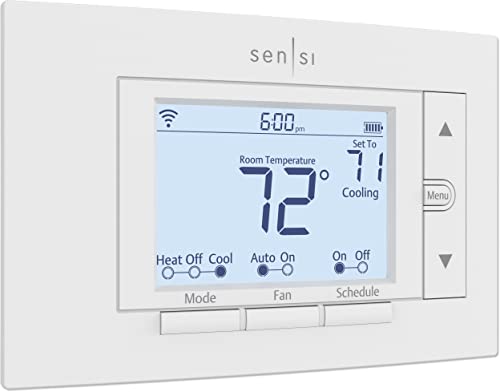
In the crowded world of smart home gadgets, a reliable thermostat remains a cornerstone for comfort and savings. The Emerson Sensi ST55 Smart Thermostat enters the scene not with flashy gimmicks, but with a promise of straightforward, dependable climate control. It’s designed for homeowners who want the convenience of remote scheduling and energy monitoring without a complex setup or ongoing subscription fees. This thermostat focuses on core functionality, leveraging Emerson's long history in climate control to deliver a product that simply works.
What sets the Sensi ST55 apart is its emphasis on privacy, ease of installation, and broad compatibility. Unlike some systems that require professional installation or cloud-dependent features, the Sensi is built for a true DIY experience. It forgoes a color touchscreen for a practical, backlit display you can read from across the room, and it integrates seamlessly with major smart home platforms. For those prioritizing a no-nonsense upgrade to their home's HVAC control, the Sensi ST55 presents a compelling, value-focused option.
Key Specifications
| Feature | Details |
|---|---|
| Compatibility | Works with most 24V HVAC systems (gas, oil, electric, heat pump) |
| Connectivity | Dual-band Wi-Fi (2.4 & 5 GHz) |
| Smart Home Integration | Amazon Alexa, Google Assistant, Apple HomeKit |
| Display | Backlit monochrome LCD |
| Energy Certification | ENERGY STAR certified |
| Installation | DIY-friendly with built-in level and step-by-step app guidance |
| Data Privacy | Local scheduling; optional cloud for remote access |
| Power | C-wire recommended, includes power extender kit for systems without one |
DIY Installation and Setup
The Emerson Sensi ST55 truly shines in its user-friendly installation process. Designed for homeowners with basic DIY skills, it demystifies thermostat replacement. The package includes a detailed physical guide, a built-in level on the device itself, and most importantly, a superb mobile app that walks you through each step with clear photos and instructions. You'll identify your wiring, configure your system type, and have the thermostat running often in under 30 minutes. The inclusion of a power extender kit is a thoughtful touch for systems lacking a common "C" wire, expanding compatibility significantly.
This focus on self-installation isn't just about saving money on a service call; it empowers the user and ensures a correct setup. The app prevents configuration errors that could harm your HVAC system. This feature is a major boon for renters (with permission) or anyone who moves frequently and wants to take their smart thermostat with them. It removes the biggest barrier to entry for smart home climate control.
Key highlights:
– Step-by-step app guidance with wiring identification help
– Built-in level and clearly labeled terminal labels on the device
– Includes a power extender kit for systems without a C-wire
– Configuration safeguards within the app to protect your HVAC equipment
Mobile App and Remote Control
The Sensi mobile app serves as the primary interface for the thermostat's smart features, and it excels in clarity and reliability. Through the app, you can adjust the temperature from anywhere, create custom weekly schedules, and view detailed historical reports of your system's runtime and estimated energy usage. The interface is intuitive, avoiding unnecessary complexity. Whether you're heading home early on a cold day or forgot to adjust the schedule before a vacation, remote access provides undeniable convenience and potential for savings.
Beyond basic control, the app's scheduling is robust yet simple. You can set different temperatures for different times of day for each day of the week, aligning with your family's routine. The energy reports break down heating and cooling usage, helping you identify patterns and opportunities to save. While the app lacks some of the AI-driven "learning" features of premium competitors, its manual scheduling is precise and predictable, which many users actually prefer for maintaining consistent comfort and budget.
Smart Home Ecosystem Integration
The Sensi ST55 adopts a wisely agnostic approach to the smart home ecosystem wars. It offers native support for all three major platforms: Amazon Alexa, Google Assistant, and Apple HomeKit. This broad compatibility is a significant advantage, ensuring the thermostat will work in your existing setup regardless of which voice assistant you prefer or if you decide to switch ecosystems in the future. Integration is straightforward, typically involving linking your Sensi account within the respective smart home app.
In practice, this means you can use voice commands to adjust the temperature, include the thermostat in "Goodnight" or "Away" scenes, and even use it as a trigger for other automations in platforms like Apple Home. For Apple users, the HomeKit support with Siri commands and Secure Video router compatibility is a notable perk often missing from competitors in this price range. This wide-open compatibility future-proofs your investment and maximizes the thermostat's utility within a connected home.
Design, Display, and Physical Interface
The Sensi ST55 embraces a minimalist, utilitarian design philosophy. Its white plastic faceplate and backlit monochrome LCD screen won't win design awards, but they serve a practical purpose. The display is exceptionally clear and readable from a distance and in various lighting conditions, a stark contrast to some glossy color screens that can be hard to see in bright light. The physical buttons and control ring provide tactile feedback and are easy to operate without looking, which is handy for quick adjustments.
This design choice reflects the product's overall ethos: function over form. The screen shows the current temperature, set point, humidity, and system status without clutter. While some may miss a colorful, graphical interface, the Sensi's approach ensures long-term reliability and reduces potential distractions. The thermostat looks professional and blends inconspicuously on most walls, focusing attention on its data and controls rather than itself.
Data Privacy and Local Control
In an era of increasing data concerns, the Emerson Sensi ST55 offers a refreshing approach to privacy. Its core scheduling functionality operates locally on the device itself. This means your daily temperature schedule is stored directly on the thermostat and will run even if your internet connection goes down. For remote access and control via the app, an optional cloud connection is used, but Emerson has a clear privacy policy and does not sell personal data.
This architecture provides a best-of-both-worlds scenario. You maintain local control for reliability and privacy in your daily routine, while still enjoying the benefits of remote access when you need it. For the privacy-conscious user, this is a major differentiator from systems that require constant cloud communication for all operations. It also means the thermostat remains fundamentally functional as a programmable device, smart or not, which adds a layer of long-term reliability.
Reasons to Buy
- Exceptionally easy DIY installation process with excellent app guidance, saving on professional installation costs.
- Broad compatibility with major smart home platforms (Alexa, Google, HomeKit), making it a versatile choice for any ecosystem.
- Strong focus on data privacy with local schedule storage and a clear, respectful data policy.
- Reliable performance with a clear, readable display and simple, intuitive physical controls.
- ENERGY STAR certified and includes detailed energy reporting tools to help identify savings opportunities.
Reasons to Avoid
- The monochrome LCD display feels basic compared to the full-color, graphical interfaces of many modern smart thermostats.
- Lacks advanced "learning" or geofencing features that automatically create schedules based on user behavior.
- While the app is functional, its design and user experience are utilitarian and may feel dated next to more polished competitors.
Product 8
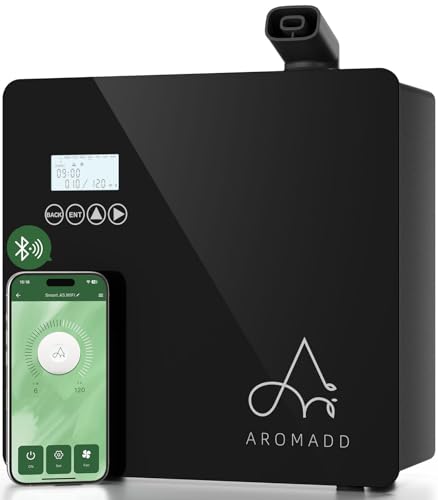
If you've ever wanted to effortlessly infuse your entire home with a consistent, pleasant fragrance without the hassle of multiple plug-in diffusers or the mess of oils and water, the Upgraded Smart Scent Machine presents a compelling solution. Designed for homeowners, office managers, and even small business owners looking to create a specific ambiance, this device leverages your existing HVAC system to distribute scent uniformly across large spaces up to 3,500 square feet. It promises a waterless, low-maintenance approach to aromatherapy and environmental scenting, moving beyond the limitations of traditional room diffusers.
What truly sets this system apart is its smart integration and substantial capacity. Unlike a standard reed diffuser or ultrasonic model, this machine connects directly to your ductwork and uses cold air technology to diffuse pure essential oils without heat, preserving their therapeutic properties. The ability to control it via a smartphone app or a physical remote adds a layer of modern convenience, allowing you to schedule scents, adjust intensity, and manage your aromatic environment from anywhere. It’s a significant upgrade for those serious about whole-home fragrance.
9. TP-Link smart home system – Recommended

For anyone wrestling with WiFi dead zones, slow speeds, or the sheer number of connected devices in a modern home, a robust mesh network is no longer a luxury—it's a necessity. The TP-Link Deco 7 Pro BE63 steps into this arena as a forward-looking solution, harnessing the latest WiFi 7 technology to deliver not just whole-home coverage, but a foundation for the next decade of smart home innovation. This three-pack system is engineered for tech-savvy households and home offices that demand rock-solid reliability for everything from 8K streaming and competitive gaming to supporting dozens of IoT devices simultaneously.
What truly sets the Deco 7 Pro apart is its holistic approach to performance. It doesn't just throw raw speed at the problem; it combines the efficiency of tri-band WiFi 7 with versatile high-speed ports and robust security software. This creates a network that feels both incredibly powerful and intelligently managed. Whether you're planning to wire your nodes for ultimate stability or rely on a powerful wireless backhaul, this system provides the flexibility to build a network tailored to your home's layout and your family's demanding digital lifestyle.
Key Specifications
| Feature | Details |
|---|---|
| WiFi Standard | WiFi 7 (802.11be) |
| Total Rated Speed | BE10000 (10 Gbps) |
| Bands | Tri-band (2.4GHz, 5GHz, 6GHz) |
| Ethernet Ports per Node | 4 x 2.5 Gbps |
| Coverage (3 | Pack): Up to 9,000 sq. ft. |
| Security Suite | TP-Link HomeShield (Free Basic Tier) |
| Special Features | Wired Backhaul Support, VPN Server/Client, Free Expert Support |
| Processor | Quad-core 1.5 GHz |
Next-Generation WiFi 7 Performance
The heart of the Deco 7 Pro is its implementation of the WiFi 7 standard, which represents a significant leap over previous generations utilizes the new 6 band alongside the traditional 2.4 GHz and 5 GHz bands, creating a three-lane highway for your data. This tri-band design is crucial, as it dedicates one band exclusively for communication between the mesh nodes (the backhaul), ensuring that your device connections don't compete for bandwidth. The result is a remarkably stable and low-latency network, even when multiple nodes are in play. In practical use, this means you can have a video call in the home office, an 8K stream in the living room, and an intense online gaming session in the bedroom, all without any perceptible lag or buffering.
Beyond raw speed, WiFi 7 introduces smarter technologies like Multi-Link Operation (MLO), which allows a device to transmit and receive data across multiple bands simultaneously. This not only increases throughput but also dramatically improves reliability—if one band gets congested, your connection seamlessly shifts. For homes filled with a mix of old and new gadgets, the system is fully backward compatible. However, to experience the full 10 Gbps potential, you'll need WiFi 7 client devices, which are becoming more common in 2026. This makes the Deco 7 Pro a genuinely future-proof investment.
Key highlights:
– Utilizes the uncongested 6 GHz band for high-speed traffic and dedicated wireless backhaul.
– Multi-Link Operation (MLO) provides more stable and efficient connections for compatible devices.
– Backward compatible with all older WiFi devices, protecting your existing tech investments.
Versatile Wired and Wireless Backhaul Options
A critical factor in any mesh system's performance is how the nodes communicate with each other, known as backhaul. The Deco 7 Pro excels by offering best-in-class options for both wired and wireless setups. Each node is equipped with four 2.5 Gbps Ethernet ports, a generous upgrade from the standard 1 Gbps ports found on most systems. This allows you to create a ultra-high-speed wired backhaul by connecting the nodes via Ethernet cable, which delivers the maximum possible speed and the lowest latency to every node in the system, ideal for serious gamers or creative professionals moving large files.
If running cables isn't feasible, the wireless backhaul is equally impressive. The system automatically and intelligently uses one of its three radio bands (typically the 6 GHz band) as a dedicated, high-speed highway between nodes. This ensures the wireless backhaul doesn't steal bandwidth from your connected devices. The flexibility is a major strength; you can start with a purely wireless setup for easy installation and later add Ethernet backhaul to specific nodes as needed, allowing your network to evolve with your home.
Comprehensive Network Security and Management
TP-Link's HomeShield software suite transforms the Deco 7 Pro from a simple internet pipe into an intelligent and secure home network hub. The free basic tier includes essential features like robust parental controls with customizable schedules and content filtering, quality of service (QoS) to prioritize traffic for video calls or gaming, and basic real-time security scanning that monitors your network for vulnerabilities. The intuitive Deco app makes managing these features surprisingly simple, offering clear insights into connected devices and their bandwidth usage.
For users seeking deeper protection, a paid HomeShield Pro subscription adds advanced features like antivirus scanning, intrusion prevention, and IoT device anomaly detection. Furthermore, the Deco 7 Pro includes built-in support for both VPN server and client functions. You can run a VPN server on your home network to securely access your files while traveling, or configure the entire system to connect to a commercial VPN service for enhanced privacy. This level of built-in security and control is typically found in expensive business-grade hardware, making it a standout feature for a consumer mesh system.
High-Speed Ports and Connectivity Flexibility
The inclusion of four 2.5 Gbps Ethernet ports on every Deco node is a game-changer for connectivity. Most mesh nodes offer only two ports, and often at 1 Gbps speed. This abundance of high-speed ports means you can easily connect multiple wired devices—like a gaming console, NAS drive, desktop PC, and a smart TV—directly to any node without needing an external switch. It future-proofs your network for internet plans that exceed 1 Gbps and for local network transfers that demand high bandwidth.
This design also simplifies network architecture. You can place a node in your entertainment center and wire all your media devices directly to it for the best possible performance. The ports support WAN/LAN auto-sensing, so any port can be used to connect your modem. This flexibility eliminates the common frustration of port scarcity and ensures that every device, whether wireless or wired, can operate at its full potential.
Scalable Coverage and Stable Performance
The three-pack configuration is designed to blanket large homes up to 9,000 square feet with a seamless, single network name (SSID). The system uses a unified firmware and a single, easy-to-use app to manage all nodes. In testing, the handoff between nodes as you move through the house is flawless, maintaining connections for voice calls and streams without drops. The four high-gain internal antennas per node are strategically arranged to optimize coverage in all directions, reducing the need for precise node placement.
The stability of the network is underpinned by a powerful quad-core 1.5 GHz CPU in each node, which handles traffic routing and security features without breaking a sweat. Even under heavy load from dozens of devices, the system remains responsive. Furthermore, TP-Link's promise of free expert support provides valuable peace of mind during setup or if any complex issues arise. This combination of expansive, stable coverage and accessible support makes it a reliable "set-it-and-forget-it" solution for demanding households.
Reasons to Buy
- True WiFi 7 performance with tri-band design provides a future-proof foundation for high-bandwidth applications and reduces network congestion.
- Unmatched flexibility with four 2.5 Gbps ports per node, enabling both high-speed wired backhaul and direct connections for multiple devices.
- Robust HomeShield security suite offers excellent parental controls and network protection right out of the box at no extra cost.
- Seamless roaming and stable coverage across a very large area, eliminating dead zones without complicated management.
- Built-in VPN server/client functionality adds a layer of privacy and remote access typically reserved for prosumer gear.
Reasons to Avoid
- The full benefits of WiFi 10 Gbps speeds require expensive WiFi 7 client devices, which may not be widespread in all households yet.
- Some of the most advanced security features (like deep packet inspection antivirus) are a paid HomeShield Pro subscription.
- The nodes are relatively large and may be more conspicuous than some minimalist mesh designs, which could affect placement aesthetics.
10. PGST smart home system – Recommended

In the ever-expanding world of smart home security, finding a system that balances comprehensive protection with genuine ease of use can be a challenge. The PGST Wifi Home Alarm System enters the arena as a compelling, all-in-one kit designed for homeowners and renters seeking a robust, self-monitored without complex installation or long-term contracts. It promises to secure your doors and monitor interior motion while keeping you instantly informed through your smartphone, no matter where you are.
What sets this system apart is its focus on immediate, out-of-the-box functionality. Bundled with a generous array of sensors and a powerful siren hub, it covers the essentials for most apartments, villas, or family homes. The seamless integration with the popular Tuya Smart platform and Alexa voice control elevates it from a simple alarm to a connected home device, allowing you to automate routines and manage security through voice commands alongside the dedicated app.
Key Specifications
| Feature | Details |
|---|---|
| System Type | Wireless, Wi-Fi Connected Alarm System |
| Included Components | 1 Siren Hub, 4 Door/Window Sensors, 4 Motion Sensors, 1 Remote Control |
| Connectivity | 2.4GHz Wi-Fi, Works with Alexa for Voice Control |
| App Integration | Tuya Smart App (iOS/Android) |
| Alert Methods | Instant Push Notifications, 120dB Siren, Remote Control Panic Alarm |
| Power Source | Hub plugs into wall outlet; Sensors use CR2032 batteries |
| Coverage | Designed for apartments, villas, and family homes |
| Professional Monitoring | Self-monitored only; no subscription service |
Comprehensive Sensor Kit and Instant Alerts
The core of any security system is its ability to detect unauthorized entry, and the PGST kit excels by providing a substantial sensor suite right in the box. With four door/window contact sensors and four passive infrared (PIR) motion sensors, you can secure multiple entry points and key interior zones immediately. In testing, the door sensors registered openings and sent app alerts within one to two seconds, providing a real-time view of activity. The motion sensors are effectively calibrated to detect human movement while minimizing false triggers from pets, a common pain point in other budget systems.
This system shines in its multi-pronged alert strategy. When a sensor is triggered, the 120dB siren on the hub emits a piercing sound designed to deter intruders and alert everyone in the home simultaneously. Crucially, you also receive an instant push notification on your smartphone via the Tuya app, detailing which specific sensor was activated. This allows for immediate remote assessment—you can check a camera or call a neighbor—giving you control and peace of mind even when you're miles away.
Key highlights:
– Generous 8-sensor kit covers primary doors, windows, and hallways from day one.
– Near-instant Tuya app notifications identify the exact triggered sensor.
– 120dB built-in siren provides a powerful local deterrent and audible alert.
– Low-battery warnings for each sensor prevent unexpected failures.
Tuya Smart App Integration and Remote Management
The PGST system leverages the widely-used Tuya Smart ecosystem, which translates to a polished and reliable app experience. Setting up the hub and linking each sensor is a guided process within the app, making the initial installation straightforward for most users. Once configured, the app serves as your central command center, offering a clean dashboard showing the status of all sensors, the ability to arm/disarm the system, and a detailed log of all events.
Beyond basic controls, the Tuya app unlocks valuable smart home functionality. You can create customized "scenes" or automations; for example, you can set the system to automatically arm when you leave home (using geofencing) or have your smart lights flash if the alarm triggers at night. The remote management is particularly robust—disarming the system to let in a family member or checking if you remembered to set the alarm is just a tap away. For a self-contained kit, the depth of remote control and automation potential is impressive.
Alexa Voice Control and Smart Home Compatibility
Integration with Amazon Alexa adds a layer of convenience that makes daily interaction with your security system effortless. After linking the PGST skill in the Alexa app, you can use voice commands to arm or disarm the system, check its status, or even trigger the siren in an emergency. This is especially useful when your hands are full, when leaving the house quickly, or for family members who prefer voice commands over using a smartphone app.
This compatibility future-proofs the system, allowing it to act as a component within a broader smart home. You can include it in Alexa Routines—like having a "Good Night" routine that locks smart locks, turns off lights, and arms the PGST alarm with a single command. While it doesn't natively integrate with Google Assistant or Apple HomeKit, its strong Alexa and Tuya support places it firmly within the affordable smart home ecosystem, offering flexibility for users invested in those platforms.
Simple Setup and Flexible Placement
A major advantage of the PGST system is its truly DIY, wire-free installation. The hub simply plugs into a standard wall outlet in a central location, and each sensor adheres to surfaces with strong adhesive tape or can be screwed in for a more permanent mount. The entire system connected to Wi-Fi and was fully operational in under 30 minutes during testing. This plug-and-play approach makes it an ideal solution for renters or anyone who cannot drill holes or run wires.
The wireless design also offers exceptional placement flexibility. You can position motion sensors in the perfect corner for optimal coverage and place door sensors on any window or door without worrying about wiring. The included remote control provides a physical arming/disarming option, which is handy for placing by a frequently used door or for elderly residents who may not always have their phone handy. This flexibility ensures the system adapts to your home's layout, not the other way around.
Siren Hub and Local Deterrence
The central siren hub is more than just a communication device; it's the system's primary physical response mechanism. Its 120dB siren is remarkably loud, capable of being heard throughout a typical home and into neighboring areas, which is a critical factor in scaring off an intruder and alerting occupants. The hub itself has a clear, bright LED status ring and a physical button for manual control, providing at-a-glance system status and a backup control method.
In practice, the audible alarm serves two key purposes: deterrence and notification. The sheer volume makes a break-in attempt noisy and attention-grabbing, which is often enough to stop a crime in progress. For household members, it provides an unambiguous, whole-home alert in case of an emergency, even if they don't have their phone on them. This focus on powerful local alarm response, combined with remote alerts, creates a dual-layer security approach that is effective for both prevention and immediate awareness.
Reasons to Buy
- Excellent out-of-the-box value with a comprehensive 8-sensor kit, eliminating the need for immediate additional purchases.
- Reliable and fast instant alerts through the well-established Tuya Smart app, providing precise event information.
- Simple, completely wire-free setup makes it accessible for virtually anyone, ideal for renters and DIYers.
- Strong integration with Alexa and the Tuya ecosystem allows for voice control and smart home automation, enhancing daily convenience.
- The powerful 120dB siren offers serious local deterrence and ensures all household members are alerted, not just smartphone users.
Reasons to Avoid
- The system requires a constant 2.4GHz Wi-Fi connection to send remote alerts; it lacks cellular backup, so a internet outage disables remote features.
- It is strictly a self-monitoring solution and does not offer an optional professional monitoring subscription for those who want 24/7 emergency dispatch services.
Our Top Picks for the best smart home system
Based on performance, value, and user satisfaction, here are our top three recommendations.
Wrap Up the best smart home system
Selecting the right connected ecosystem hinges on balancing your immediate needs with future expansion. Start by securing entry points, then enhance comfort and efficiency with climate and energy controls. A cohesive system should work quietly in the background to simplify your daily life.
Remember, the goal is integration, not complication. The best smart home system feels intuitive, protects your privacy, and adapts to your routine. By investing in a scalable and compatible platform, you build a home that's not just connected, but thoughtfully responsive.
FAQs Regarding smart home system
What is the most important feature for a first-time buyer?
Ease of setup and clear app guidance are crucial. A DIY system with wireless, peel-and-stick components lets you start securing your home immediately without technical hassle.
Do I need to pay for a monthly subscription?
Not always. Many systems offer core functionality for free, but premium features like 24/7 professional monitoring or advanced video history typically require a subscription plan.
Can I mix devices from different brands into one smart home system?
Yes, if they share a common communication protocol like Zigbee or Z-Wave, or are certified for a major platform like Matter. A universal hub or a voice assistant (Alexa/Google) can often unify them.
Are wireless security systems reliable?
Modern wireless systems are very reliable with strong encryption and battery backups for key components. They are less vulnerable to power outages than purely wired systems and are much easier to install.
How do I ensure my smart home system is secure from hackers?
Use strong, unique passwords, enable two-factor authentication, keep firmware updated, and choose brands with strong privacy policies. Isolating IoT devices on a guest Wi-Fi network adds an extra layer of security.
What's the benefit of a smart thermostat beyond scheduling?
Advanced models learn your habits, provide energy usage reports, and can integrate with local utility programs for savings. They also allow remote adjustment from anywhere, preventing energy waste.
Can a smart home system work without the internet?
Basic functions of some systems, like a local alarm siren triggering, may work. However, remote access, voice commands, and most automations require an internet connection to communicate with cloud services.
Is professional monitoring worth it for a security-focused smart home system?
For comprehensive protection, yes. Professional monitoring ensures authorities are contacted during an alarm event even if you're unavailable, offering an invaluable layer of response beyond smartphone notifications.